

Conventional Steel Structures In Chennai
Introduction
Conventional steel structures are structural systems in which steel members are fabricated, transported, and assembled on-site using traditional construction techniques such as bolting, riveting, and welding. These structures have been widely used for buildings, bridges, industrial facilities, and towers due to steel’s high strength, durability, and flexibility in design.
Components of Conventional Steel Structures
- Beams – Horizontal members that resist bending due to applied loads.
- Columns – Vertical members that transfer loads to the foundation.
- Bracings – Diagonal members used to resist lateral loads such as wind and earthquakes.
- Connections – Joints using bolts, rivets, or welds to connect structural members.
- Plates and Sections – Rolled steel sections such as I-sections, channels, angles, and plates.
Types of Conventional Steel Structures
- Steel Frame Structures – Used in multi-storey buildings.
- Truss Structures – Common in bridges and roof systems.
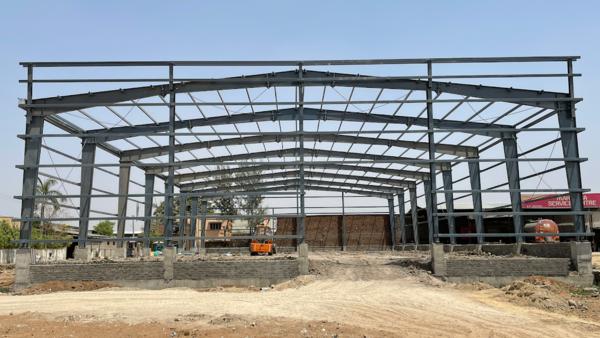
- Portal Frames – Widely used in industrial buildings and warehouses.
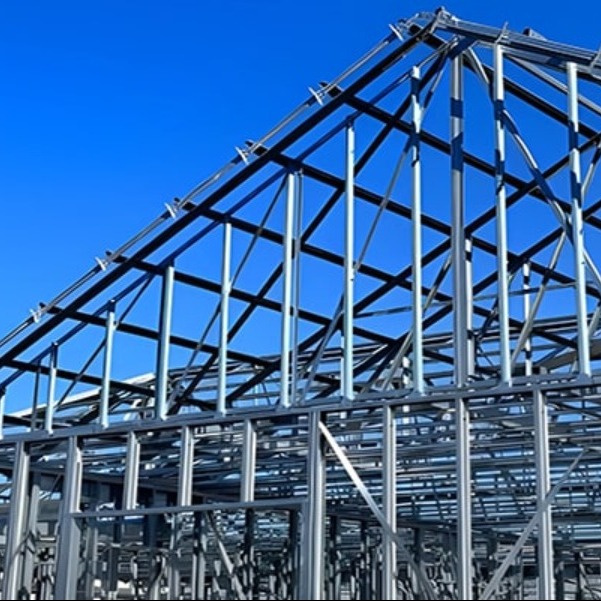
- Lattice Structures – Used for transmission towers and communication masts.
Construction Methodology
- Fabrication of steel members in workshops.
- Transportation of members to the construction site.
- Erection using cranes and lifting equipment.
- Assembly through bolting or welding.
- Final inspection and protective coating application.
Advantages
- High strength-to-weight ratio
- Faster construction compared to RCC structures
- Ability to span long distances
- Ease of modification and expansion
- Recyclability and sustainability
Disadvantages
- Susceptible to corrosion if not properly protected
- Loss of strength at high temperatures (fire risk)
- Requires skilled labor and precise fabrication
- Higher initial cost in some regions
Applications
- Industrial buildings and factories
- Multi-storey commercial buildings
- Bridges and flyovers
- Towers and chimneys
- Warehouses and hangars
Conclusion
Conventional steel structures remain an essential part of modern construction due to their structural efficiency, versatility, and adaptability. With proper design, corrosion protection, and fire safety measures, they offer long-lasting and reliable performance.