

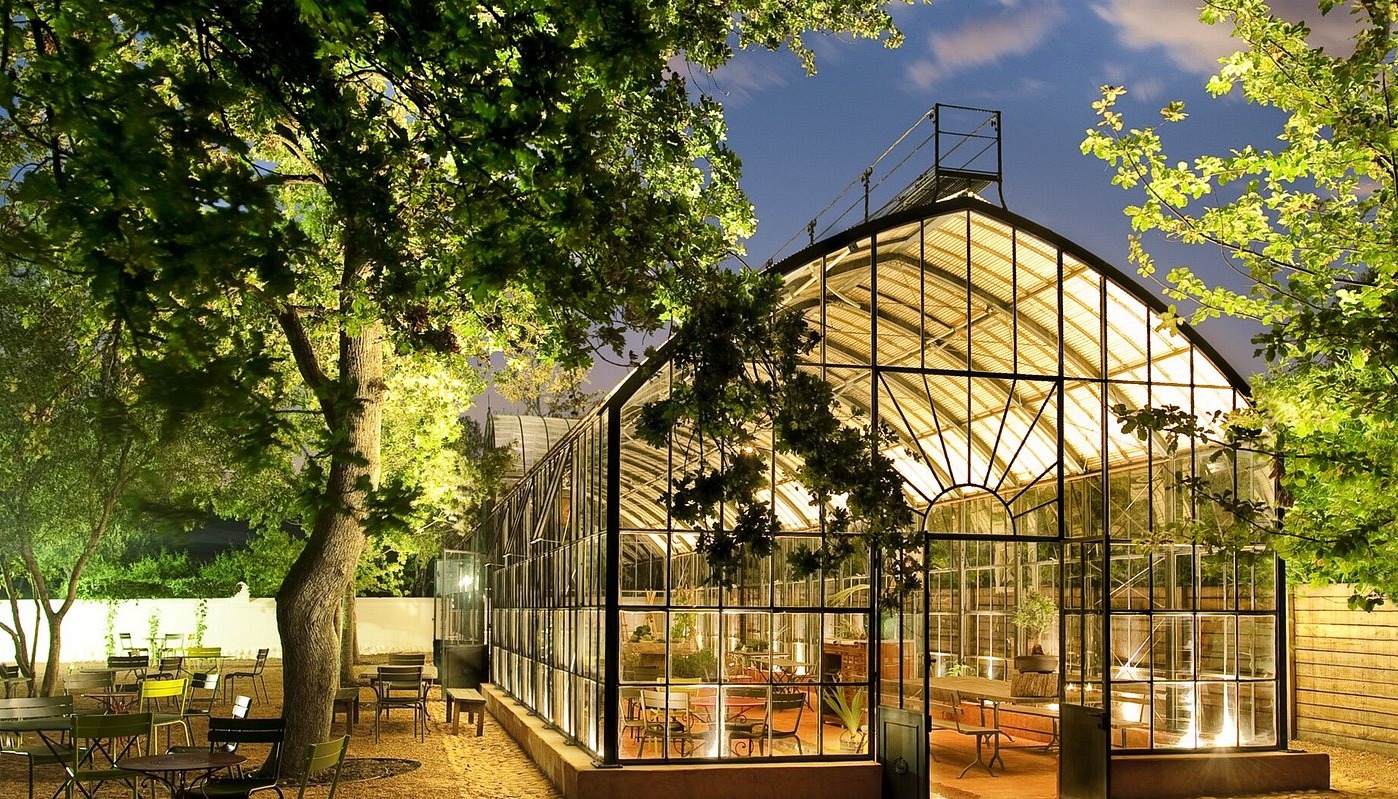
Greenhouse Manufacturer In Avadi
1. Introduction
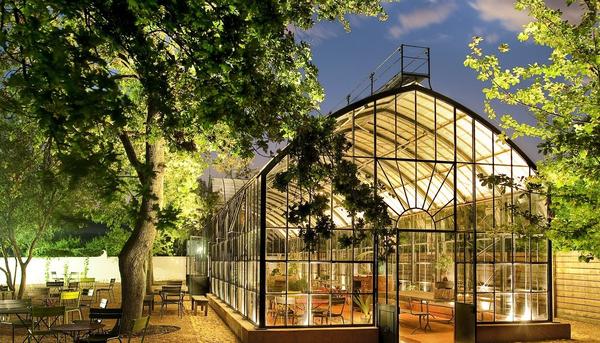
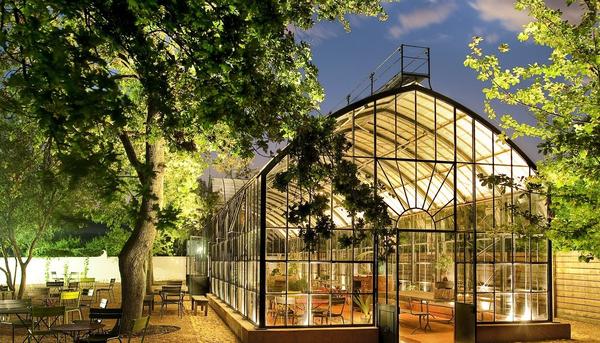
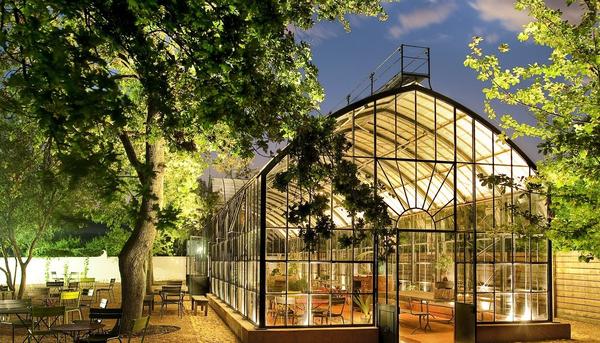
A greenhouse is a structure designed to create a controlled environment for growing plants by regulating temperature, humidity, light, and ventilation. It allows crops to be grown throughout the year, regardless of external weather conditions.
2. Principle of Greenhouse Effect
A greenhouse works on the principle of the greenhouse effect:
- Sunlight enters through the transparent covering
- Heat is absorbed by plants and soil
- Trapped heat raises the internal temperature
- Creates a favorable environment for plant growth
3. Materials Used
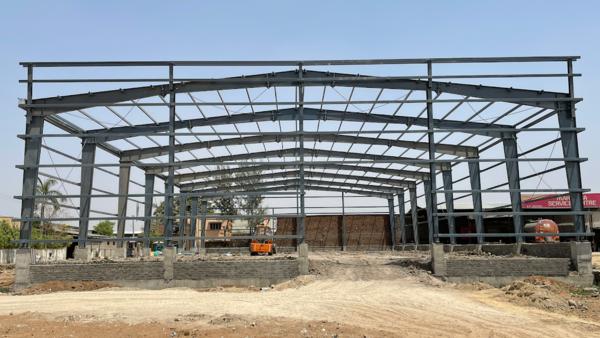
- Frame: Steel, aluminum, or bamboo
- Covering materials:
- Glass
- Polyethylene sheets
- Polycarbonate sheets
- Ventilation systems: Fans, vents
- Irrigation systems: Drip or sprinkler
4. Types of Greenhouses
- Based on shape:
- Lean-to
- Even span
- Uneven span
- Ridge and furrow
- Based on covering material:
- Glasshouse
- Polyhouse
- Based on control level:
- Naturally ventilated
- Climate-controlled (hi-tech)
5. Components of a Greenhouse
- Structural frame
- Covering material
- Ventilation openings
- Heating and cooling systems
- Irrigation and fertigation systems
- Shading nets
6. Advantages
- Year-round crop production
- Protection from pests and extreme weather
- Better yield and quality
- Efficient water and fertilizer use
- Suitable for high-value crops
7. Limitations
- High initial cost
- Requires technical knowledge
- Risk of disease spread if poorly managed
- Maintenance required
8. Crops Grown in Greenhouses
- Vegetables (tomato, cucumber, capsicum)
- Flowers (rose, gerbera, carnation)
- Fruits (strawberry)
- Nursery plants
9. Applications
- Commercial agriculture
- Research and education
- Nursery development
- Off-season cultivation
10. Conclusion
Greenhouses are an effective solution for sustainable and intensive farming, providing controlled conditions for improved crop productivity and quality. They play a key role in modern agriculture and food security.